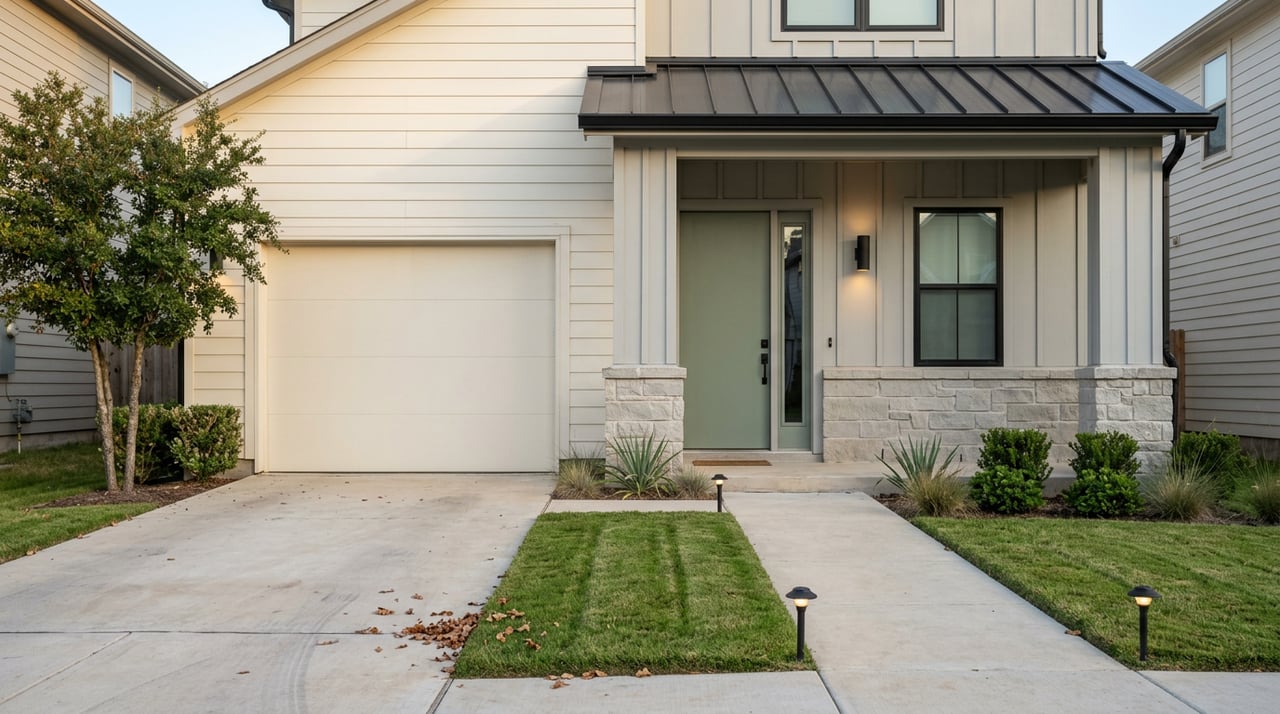
South Austin Starter Homes: What First-Time Buyers Should Know
March 24, 2026
March 24, 2026
Buying your first home in South Austin can feel exciting and overwhelming at the same time. Prices shift by neighborhood, older homes may need updates, and HOA rules can change your monthly costs. This guide breaks down what to expect in Southeast Travis County, where to look for value, common tradeoffs, and practical steps to move forward with confidence. Let’s dive in.
The broader Austin–Round Rock area is currently a balanced market, with roughly a 5–6 month supply of homes as of mid‑2024. In real terms, that means you have more choices and a bit more room to negotiate than in a hot seller’s market. You still need to be prepared, but you’re less likely to face extreme bidding wars. A recent HUD market report provides this regional backdrop.
Inside “South Austin,” prices vary a lot by zip code. Close‑in areas like 78704 typically carry a premium thanks to proximity to parks, dining, and downtown. More affordable pockets often show up in 78744, 78741, and parts of 78748. Treat zip-level medians as ballpark figures. Two nearby streets can differ by condition, lot size, and recent remodel activity.
If you focus close to the core, you’ll see small bungalows, cottages, and attached townhomes, often around 800 to 1,400 square feet. As you look farther south and southeast, many entry-level single‑family homes fall in the 1,200 to 1,800 square foot range. Layouts vary, but 2–3 bedrooms and 1–2 baths are common for starter inventory.
A meaningful share of Austin’s housing stock was built before 1980, especially inside the city limits. That often means older roofs, HVAC systems, and electrical that could need updates on a realistic timeline. Plan for a thorough home inspection and a budget that accounts for near-term maintenance. Historical county planning materials note the area’s older stock, which helps set expectations about condition. You can see this broader context in Travis County’s housing background materials.
It’s smart to run rough numbers before you write an offer. Roof replacements in the Austin area can range from the low thousands into the mid‑five figures, depending on size and materials. Full HVAC replacement commonly falls into the low‑to‑mid thousands, sometimes up to around $5,000 to $11,000 depending on scope. Use these as working ranges and get contractor bids tied to your inspection. For reference, see a recent Texas roof cost guide.
This area often includes smaller single‑family homes that fit a classic “starter” profile. Recent vendor snapshots have shown medians in the mid‑$300Ks to low‑$400Ks, with condition varying block by block. You’ll find a mix of older homes and newer infill. If you’re open to light updates, this zip can stretch your buying power.
78741 has historically been more affordable than the city median in many vendor reports. Months of supply here often trend higher than in central zips, which can create more negotiating room for buyers. Inventory can include small single‑family homes, townhomes, and modest new construction.
These zips offer a wide mix: established neighborhoods, 1990s–2010s subdivisions, and some townhome options. Medians often sit in the mid‑$400Ks range in vendor snapshots, with 78748 skewing newer on average. Many planned subdivisions include HOAs, which can affect monthly costs and community rules.
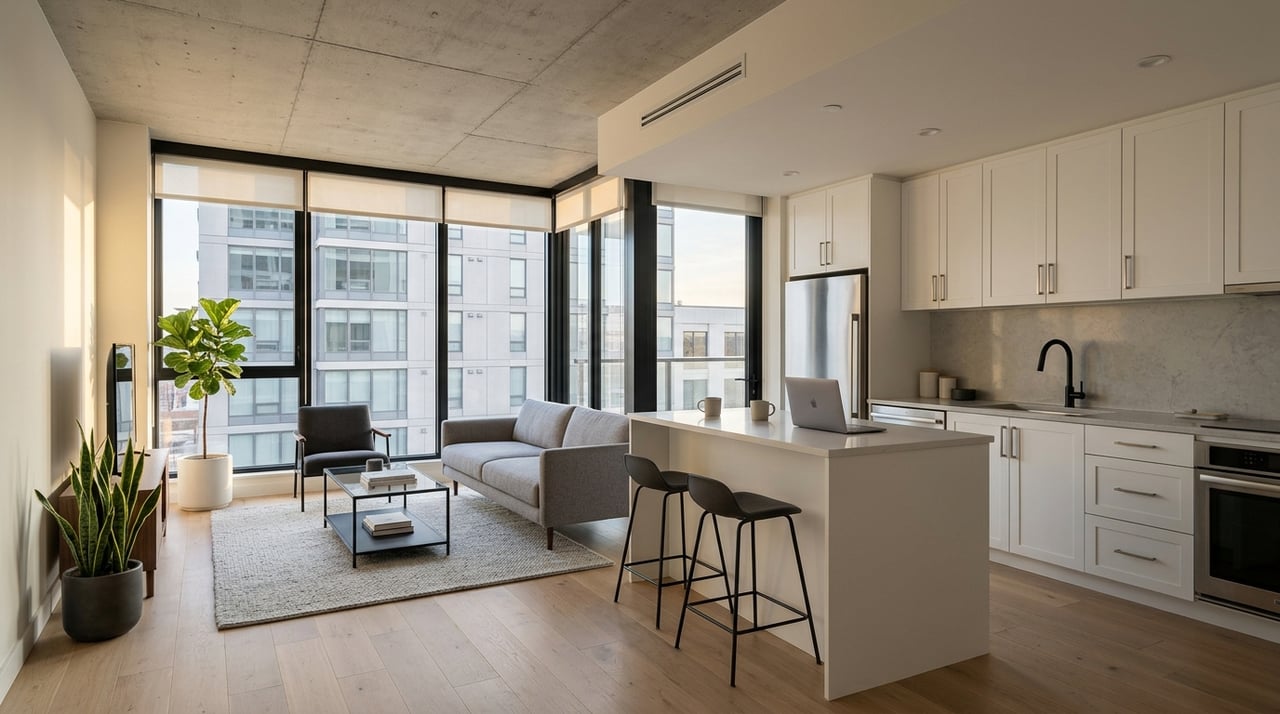
If being near Zilker Park and South Congress tops your list, entry-level options often mean condos, townhomes, or very small older homes. Dollar‑for‑dollar, you trade space for location. Smaller square footage can still feel livable if the layout works for you, but expect stronger competition and higher price per square foot.
The City of Austin offers down‑payment and closing‑cost assistance for eligible low‑to‑moderate income buyers purchasing inside city limits. Programs change over time, and most require homebuyer education and income and price limits. Learn more about local assistance in the city’s consolidated plan materials.
The Texas Department of Housing and Community Affairs and the Texas State Affordable Housing Corporation provide mortgage options combined with down‑payment assistance. Common assistance amounts can reach up to about 5 percent of the loan amount, subject to income and purchase‑price caps and lender participation. Ask a participating lender about eligibility and current limits. For an overview, see TDHCA’s lender guide.
FHA loans offer a low down payment with standard credit thresholds. VA loans can provide 0 percent down for eligible veterans with a Certificate of Eligibility. USDA and other niche programs may apply if the property and buyer meet the rules. Some condo communities have financing requirements that affect eligibility, so confirm early. You can review basic FHA down‑payment rules at the Home Buying Institute.
Property taxes in Austin are a major component of your monthly payment. Run an estimate early using the current city and county tax rates, then confirm with your lender. The City maintains an overview of local tax rates to help you frame the math.
If the property has an HOA, add monthly or quarterly dues to your budget and review the rules, recent meeting minutes, and reserve studies when available. If there’s no HOA, ask about any deed restrictions that could affect how you use the property.
If you want clear, local guidance through your first purchase, you’re in the right place. As an Austin native focused on the mid‑market, I help you target the right pockets, compare real costs, and move from “maybe” to “move‑in” with confidence. I’ll set up a tailored search, explain assistance options, and connect you with trusted inspectors and contractors. Reach out to Lauren McCalla to get started.
Stay up to date on the latest real estate trends.
Experience a thoughtful, guided approach designed to make your real estate process smooth and successful.