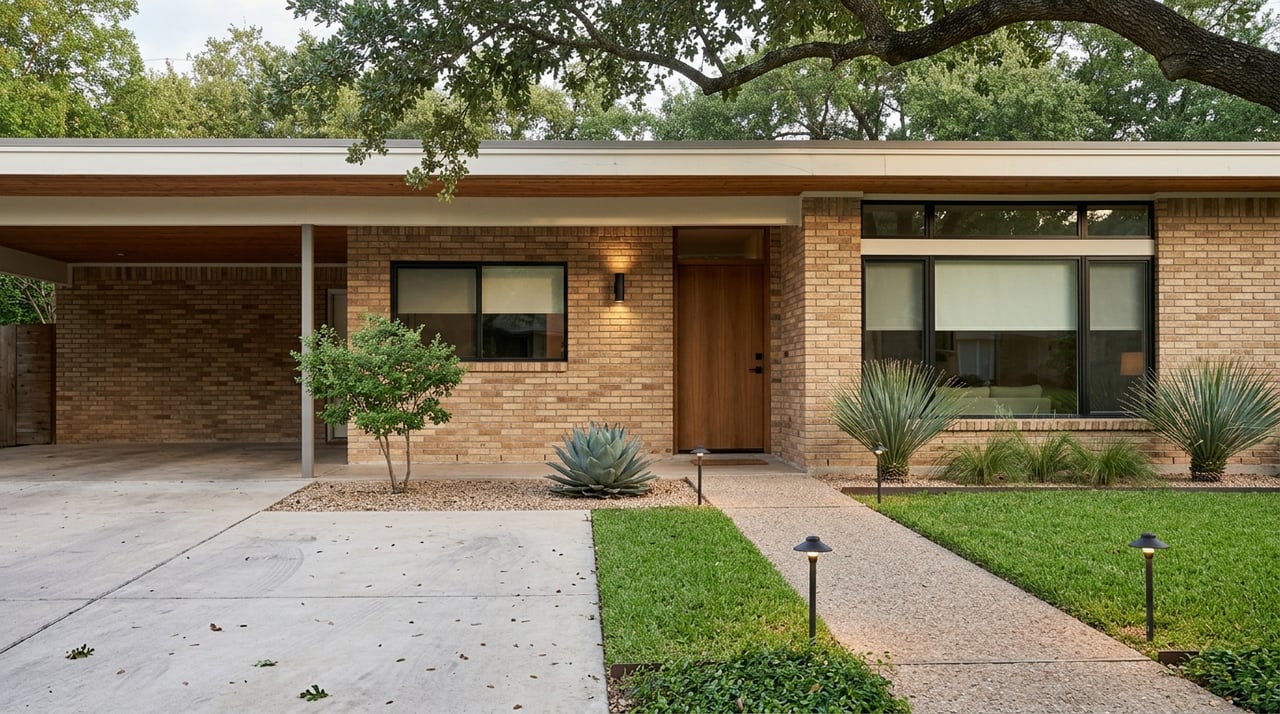
A Buyer’s Guide to Allandale Mid Century Homes
July 2, 2026
July 2, 2026
Wondering whether an Allandale mid-century home is the right fit for you? If you love the idea of classic Austin character, bigger lots, and homes with strong indoor-outdoor flow, Allandale deserves a closer look. The key is knowing how to separate timeless design from expensive surprises, and how to judge the full picture before you buy. Let’s dive in.
Allandale is one of Austin’s established north-central neighborhoods, bounded by Anderson Lane, Burnet Road, 45th Street, and MoPac. The Allandale Neighborhood Association notes that the area includes about 3,500 homes and is known for its large lots, mature trees, and central location. For buyers who want a home with history and room to breathe, that combination stands out.
The neighborhood also lines up well with Austin’s postwar growth. Austin Public Library records show the city grew from 87,900 residents in 1940 to 214,117 by 1965, which helped shape the housing styles built during that era. Many of the homes from that period reflect design ideas buyers still want today, including open layouts, generous windows, and a stronger connection to the yard.
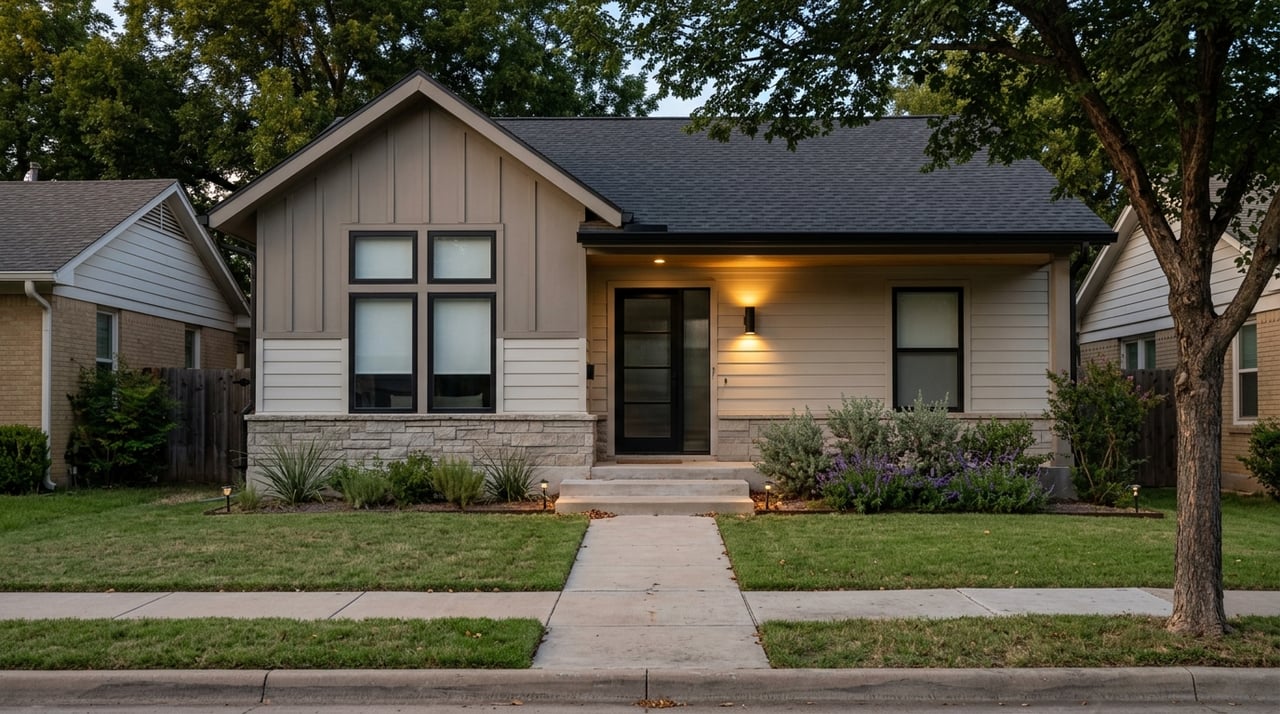
In Allandale, “mid-century” can mean more than one thing. You may see classic postwar ranch homes, along with homes that lean more toward Mid-century Modern design. Knowing the difference can help you spot value and decide what style fits your goals.
Many Allandale homes from this era share a few recognizable traits:
These details are not just visual. They also shape the way the home feels day to day, especially if you want natural light and easy access to the yard.
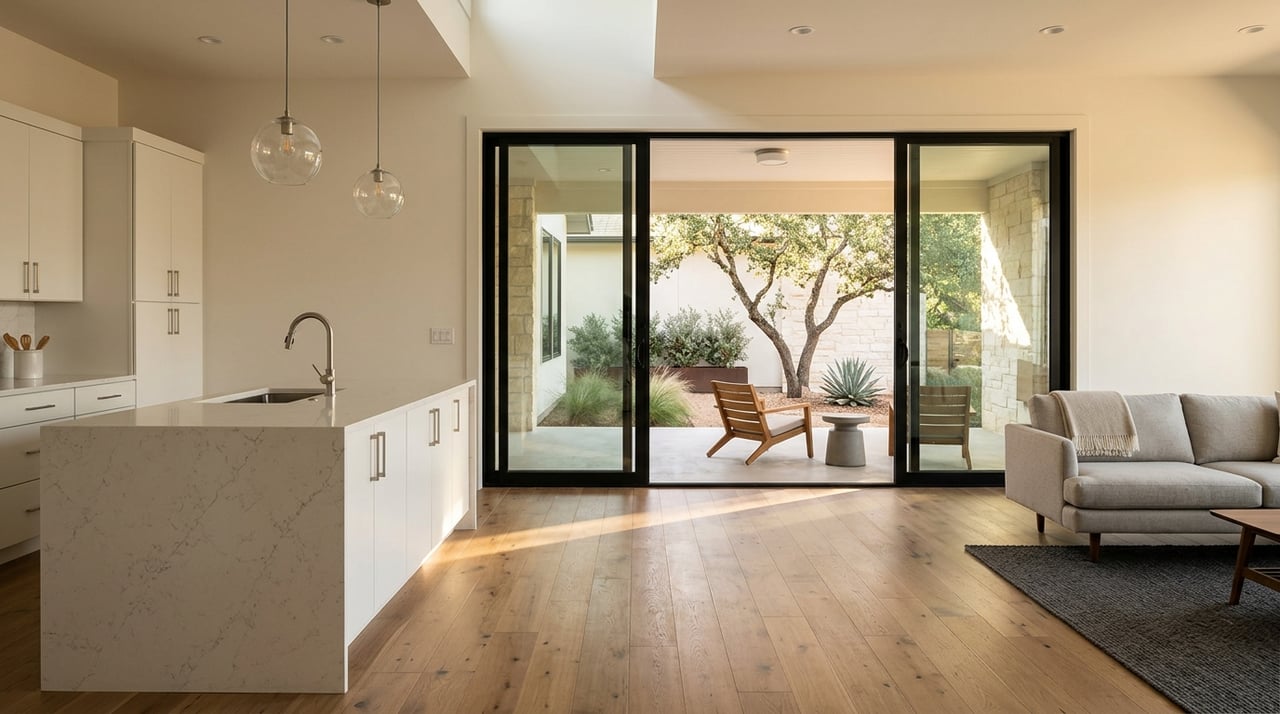
Inside, you may find features that still feel fresh today:
That is a big part of the appeal. Many mid-century homes in Allandale were designed in a way that already supports openness and livability, even before updates.
When you buy in Allandale, you are not just buying a house. You are often buying a larger site with mature trees, established landscaping, and more long-term possibilities. That makes the lot itself a major part of the decision.
Directional neighborhood guides describe many Allandale lots in the 7,000 to 10,000 square foot range, with some smaller parcels and some larger lots reaching 12,000 to 15,000 square feet or more. Exact size varies by block, but the broader point is clear: Allandale often offers more yard space than tighter urban infill areas.
That extra space can support outdoor living, future improvements, or simply more breathing room. At the same time, a larger lot can come with more drainage concerns, tree-related planning, and maintenance responsibilities. In this neighborhood, lot quality can shape value just as much as the house itself.
With older homes, your inspection strategy should go beyond the walls and roofline. In Allandale, it often makes sense to think of the purchase as house + site + future project scope. That approach can help you budget more realistically and avoid surprises after closing.
Austin planning materials note that expansive clay soils can shrink and swell enough to affect slab foundations, underground pipes, and even sidewalks. That matters in a neighborhood with many older homes, especially if you notice signs of settlement or uneven surfaces. Foundation conditions should always be evaluated in context with drainage and site grading.
This is especially important near creek-adjacent or lower-lying areas. The City of Austin notes that every creek and lake has a floodplain, and that permanent structures are generally not allowed in drainage easements. Since Shoal Creek runs through the Allandale greenbelt area, you will want to check floodplain maps and drainage constraints early if a lot backs to creek space or seems unusually low.
If the home was built before 1978, lead-based paint should be on your radar. EPA guidance says it is common enough in older homes that buyers should consider testing before renovation, especially if sanding, scraping, or repainting is part of the plan. This matters even more if you want to update right after closing.
The same goes for asbestos-containing materials. Older floor tile, ceiling tile, or pipe wrap may need sampling before you disturb them. If you are comparing an updated home to an original-condition home, this can be a meaningful budget difference.
Mature trees are a major part of Allandale’s appeal, but they deserve careful review. The City of Austin notes that urban trees help reduce heat, runoff, erosion, and air pollution, but they also require proper care. A beautiful canopy can be a real asset, yet it may also affect root zones, branch clearance, and where future additions or hardscape can go.
If you are thinking about expanding the home or redesigning the yard, tree placement matters early. In many cases, the best long-term plan works with the existing trees instead of trying to work around them later.
Not every renovation adds the same kind of value to a mid-century home. In Allandale, the most effective updates are often the ones that improve function while keeping the home’s original scale, light, and flow intact. That usually feels more authentic than a remodel that removes the very features that made the house attractive in the first place.
Austin’s mid-century archives repeatedly highlight open flow, large glass areas, and strong indoor-outdoor connection. If those qualities remain intact, a home can still feel true to its era even after meaningful improvements. For many buyers, that balance is where the sweet spot is.
When you evaluate a home, look for updates that support everyday living without erasing character:
The goal is not to find the most renovated house on paper. The goal is to find a house that still feels like itself while functioning well for modern life.
Some Austin properties have added historic considerations. The city states that exterior changes to designated historic properties require review. It also notes that rehabilitating a contributing property in a historic district can qualify for a 100% city property-tax abatement on the value added from rehabilitation for 7 to 10 years.
That does not mean every Allandale home comes with the same review process, but it is a reminder to ask questions before you plan major exterior work. Character preservation and long-term value are not necessarily in conflict in Austin. In some cases, they can support each other.
If you are shopping for a mid-century home in Allandale, the cleanest way to compare options is to think in three parts: architecture + site + systems. A home with strong original design, a usable lot, and sensible updates may be a better purchase than one that looks flashy but ignores drainage, trees, or layout.
That framework can help you make better decisions during showings. It can also keep you focused on the details that matter most for everyday living and long-term ownership.
As you tour homes, keep these questions in mind:
Buying a mid-century home in Allandale can be a great move if you go in with clear eyes. When you understand how design, lot conditions, and renovation scope work together, you are much more likely to buy a home that feels right now and holds up well over time.
If you want help narrowing down the right Allandale fit, Lauren McCalla offers local, hands-on guidance to help you evaluate Austin homes with confidence.
Stay up to date on the latest real estate trends.
Experience a thoughtful, guided approach designed to make your real estate process smooth and successful.