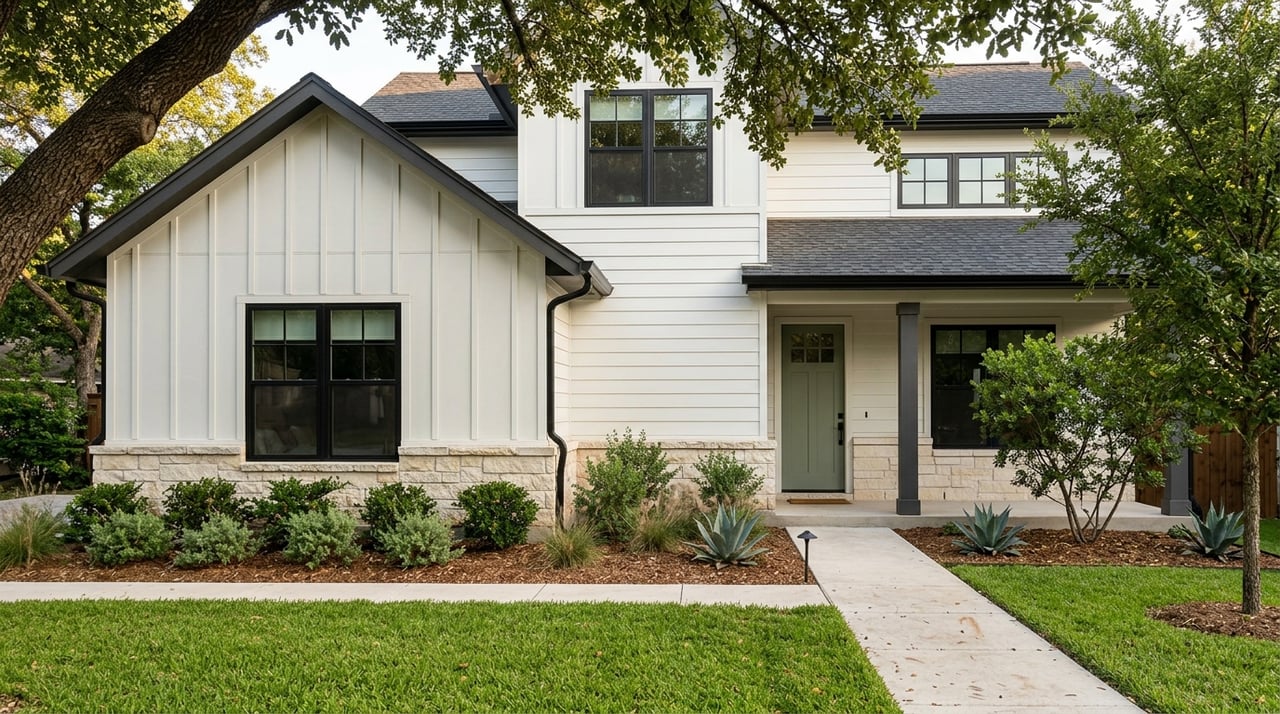
Travis Heights vs Bouldin Creek: Which Fits Your Lifestyle
May 28, 2026
May 28, 2026
Trying to choose between Travis Heights and Bouldin Creek? If you love central Austin living, both neighborhoods can look great on paper, which is exactly what makes the decision hard. The good news is that the better fit usually comes down to how you want your everyday life to feel, and this guide will help you compare the two with more clarity. Let’s dive in.
Travis Heights and Bouldin Creek are both in Austin’s 78704 area and both sit on or near the South Congress corridor. That means each gives you access to one of Austin’s most active shopping, dining, and cultural areas.
Even so, they do not feel the same once you get beyond the map. In simple terms, Travis Heights tends to feel more residential and historic, while Bouldin Creek tends to feel denser and more walkable.
Travis Heights began developing as an early suburb in the late 1800s and more formally in 1913. Its layout includes both a traditional grid and curving roads, which gives parts of the neighborhood a softer, more tucked-away feel.
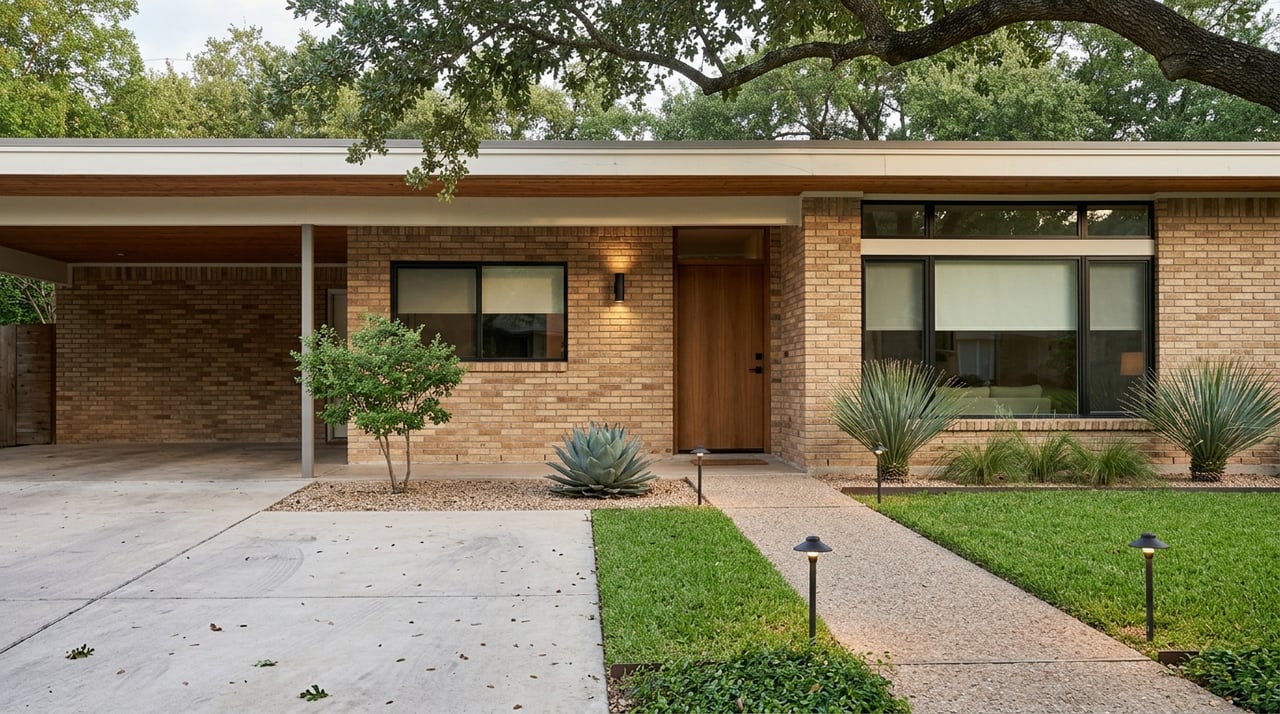
The area is known for its variety of historic home styles. Historic district materials describe Travis Heights as having one of Austin’s most diverse collections of historic domestic architecture, with homes ranging from late-1880s Victorians to 1970s Mid-Century Moderns.
If lifestyle matters as much as square footage to you, Travis Heights often appeals to buyers who want character, greenery, and a little separation from the busiest commercial pockets nearby. You can still enjoy South Congress, but many interior streets feel more removed from the day-to-day buzz.
Bouldin Creek dates to the turn of the century and saw much of its growth in the 1920s and 1930s. Neighborhood planning materials note early small historic homes, including L-plan cottages, and today the housing mix also includes detached homes plus condo and townhome-style options in some areas.
That mix gives Bouldin Creek a more compact, urban feel. If you want a neighborhood where daily errands, coffee runs, and dinner plans can be easier to do on foot, Bouldin Creek usually stands out.
It also tends to feel more connected to the energy of South First and South Congress. For some buyers, that is the whole point. For others, it may feel a little busier than they want every day.
If walkability is high on your list, Bouldin Creek is the stronger choice overall. Walk Score rates it at 82 and calls it the 6th most walkable neighborhood in Austin, with about 230 restaurants, bars, and coffee shops and an average of five such destinations reachable within five minutes.
That kind of access can shape your routine in a real way. You may be able to walk to more of the places you use regularly, which can make the neighborhood feel lively and convenient from morning to night.
Travis Heights is more variable. Walk Score examples on Travis Heights Boulevard land in the low-50s to low-60s, which places it in the somewhat walkable range rather than the very walkable range.
In practical terms, your exact address matters more here. A home closer to South Congress, Lady Bird Lake, or nearby transit may feel much more connected than one deeper into the neighborhood.
Both neighborhoods benefit from South Congress, which Visit Austin describes as a vibrant, must-stroll district with boutiques, hotels, and live music. It is one of the biggest shared lifestyle perks for both areas.
The difference is how directly you want that energy built into your daily life. Bouldin Creek generally gives you more immediate access to restaurants and nightlife, while Travis Heights often gives you an easier retreat to quieter residential streets after you go out.
Neither is better for everyone. It depends on whether you want to be close to the action at most times or close enough to enjoy it and step away when you are home.
If green space is a major priority, Travis Heights has a strong identity around parks, trails, and natural areas. Austin Parks and Recreation lists Big Stacy Neighborhood Park at 4.459 acres, Little Stacy Neighborhood Park at 6.7793 acres, Blunn Creek Greenbelt at 13.3981 acres, and Blunn Creek Nature Preserve at 38.52 acres.
Those spaces help shape the neighborhood’s overall feel. If you picture tree cover, creek corridors, and a more natural rhythm to the streetscape, Travis Heights may line up better with what you want.
Bouldin Creek also offers meaningful outdoor access, but the pattern is different. The neighborhood includes more than 20 acres of parks and green space, including the 16-acre West Bouldin Greenbelt, 3-acre Nicholas Dawson Park, 0.92-acre Mary Dawson Park, and 2-acre Ricky Guerrero Park.
That setup can work well if you want green space woven into a more urban neighborhood fabric. Instead of a stronger park-and-trail identity, Bouldin Creek tends to offer a network of smaller green spaces within a more compact setting.
Travis Heights is a strong option if you love homes with visible history and variety. The neighborhood includes a broad range of styles and lot patterns, which can make the housing stock feel less uniform from street to street.
That can be appealing if you want a home that feels distinct or if larger lot potential matters to you. The neighborhood’s historic development pattern created a broader mix of lot sizes and street experiences.
Bouldin Creek also has historic charm, but the housing mix today often feels tighter and more varied by product type. Along with older detached homes, you may also see more condos and townhome-style properties, especially closer to the main commercial corridors.
That can be a plus if you want lower-maintenance options or a more urban residential feel. It can also mean you may trade some lot size for location and walkability.
Both neighborhoods sit in a similar premium price tier. Recent market data shows a median sale price of $926,000 in Travis Heights and $905,000 in Bouldin Creek.
The more noticeable difference is price per square foot. Travis Heights shows a median of $504 per square foot, while Bouldin Creek comes in at $626 per square foot.
That gap suggests that while headline prices are similar, Bouldin Creek’s housing mix may skew a bit more compact. If you are comparing homes with similar budgets, you may find yourself weighing size and lot space in Travis Heights against walkability and location efficiency in Bouldin Creek.
Sample listings also help show the difference in feel. In Travis Heights, recent examples include lots around 4,660 square feet, 0.102 acre, 0.265 acre, and even roughly one-third acre parcels.
In Bouldin Creek, sample listings include lots around 4,173 square feet, 7,274 square feet, 8,046 square feet, and 9,452 square feet. These are examples rather than official neighborhood medians, but they are still useful for setting expectations.
The big takeaway is that both neighborhoods can offer variety, but Travis Heights is often the safer shorthand if you hope for a more residential feel and a stronger chance of finding a larger lot. Bouldin Creek is often the better shorthand if compact living and daily walkability are the priority.
If you are torn between the two, the smartest next step is to compare them block by block, not just neighborhood by neighborhood. In central Austin, a few streets can make a big difference in noise level, walkability, lot size, and overall feel.
That is especially true in Travis Heights and Bouldin Creek, where the lifestyle gap is real but nuanced. One buyer may prefer the leafy retreat of Travis Heights, while another may feel right at home in the closer-to-everything pace of Bouldin Creek.
If you want help narrowing down the right fit for your budget, commute, and day-to-day priorities, Lauren McCalla can help you compare homes with a local, practical lens.
Stay up to date on the latest real estate trends.
Experience a thoughtful, guided approach designed to make your real estate process smooth and successful.