Travis Heights Lifestyle Guide: Parks, Dining and Daily Life
June 25, 2026
June 25, 2026
If you want a neighborhood that feels close to the action without losing its everyday charm, Travis Heights stands out. You can grab coffee on South Congress, cool off at a neighborhood pool, and fit in a trail walk without driving far. That mix is a big reason people stay interested in this pocket of South Austin. Let’s dive in.
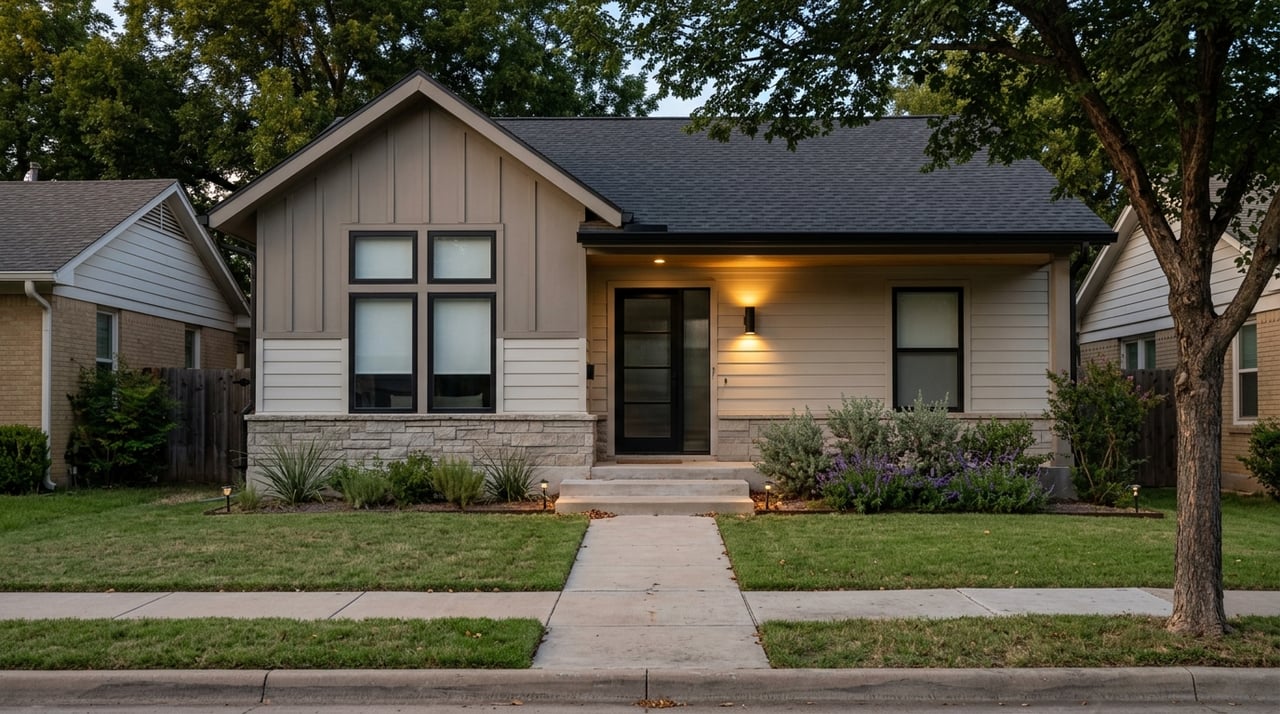
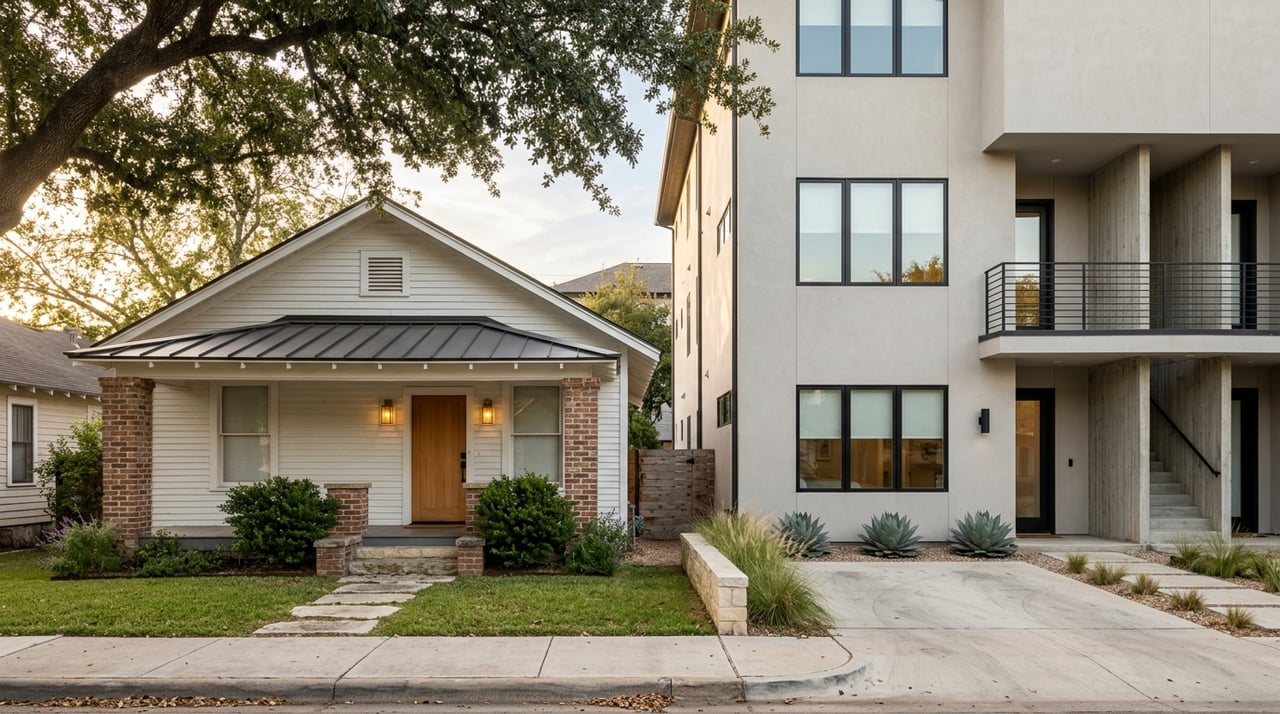
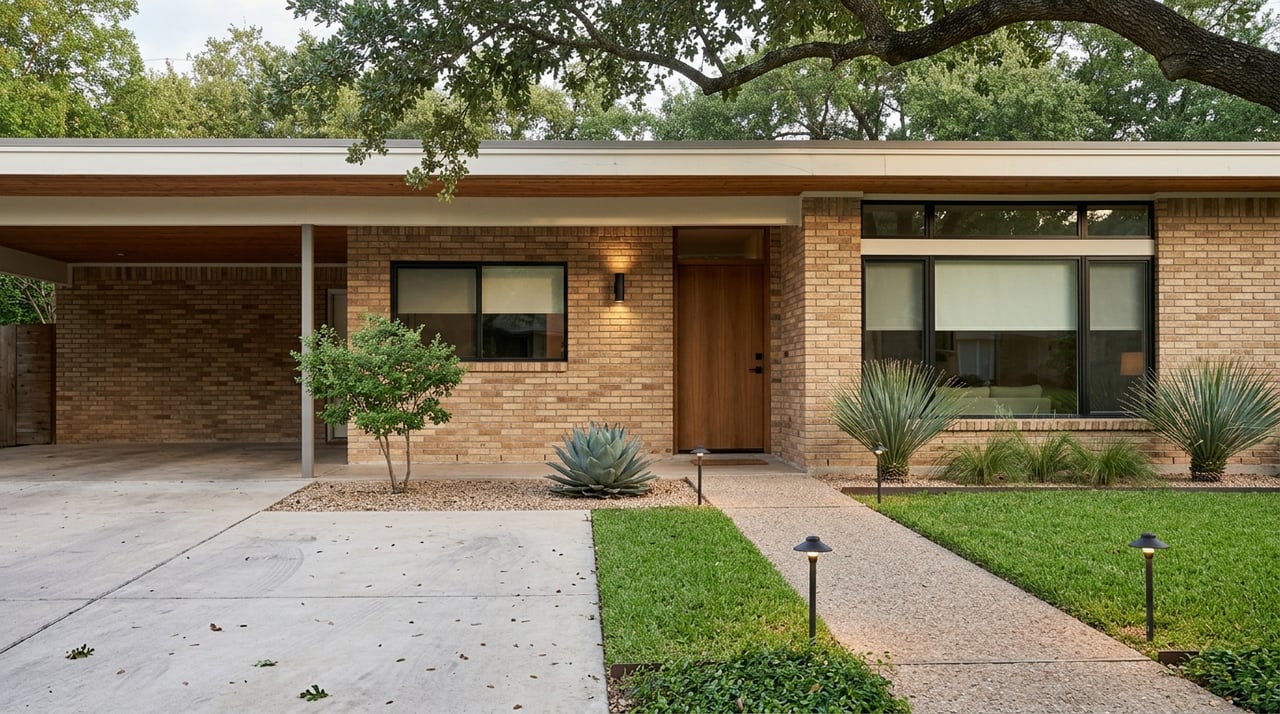
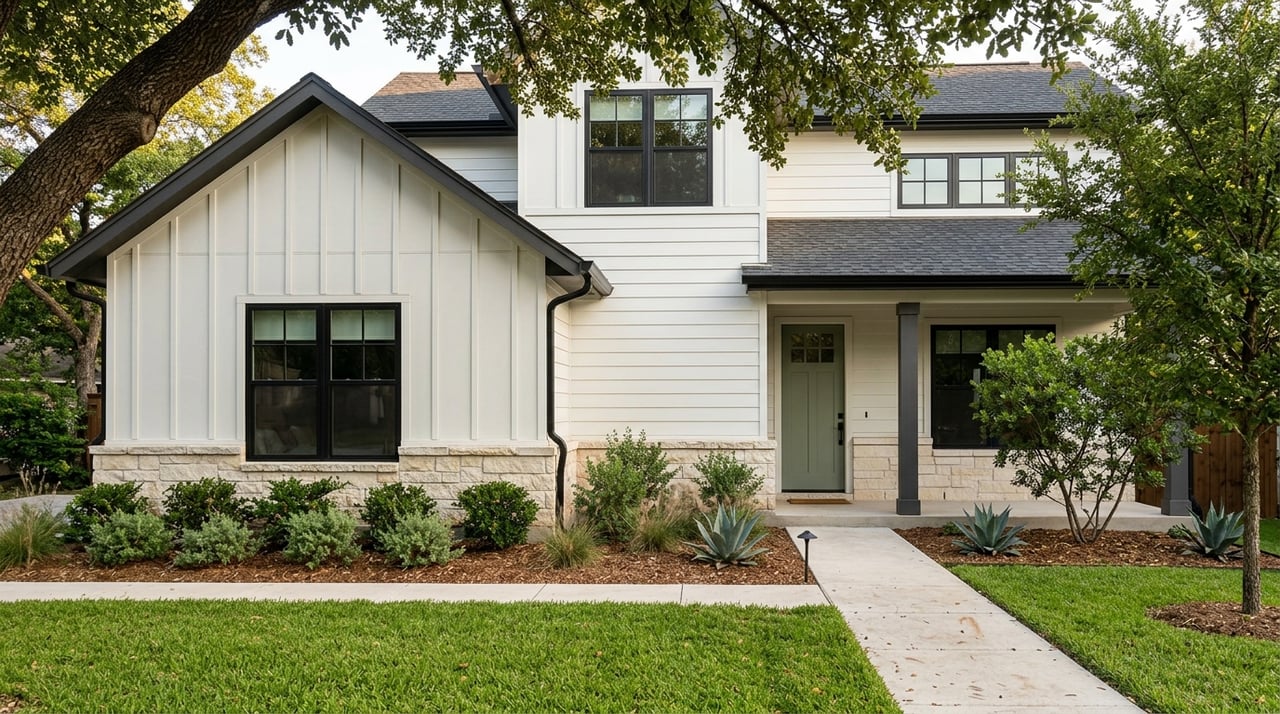
Travis Heights has a lived-in, layered feel that comes from more than a century of growth. According to the Travis Heights-Fairview Park Historic District, the area includes a wide range of historic architecture, from late-1880s Victorian homes to 1970s Mid-Century Modern houses.
The setting matters just as much as the homes. Winding streets, hillsides, wooded trails, and creeks shape the day-to-day experience here and give the neighborhood a more tucked-in feel than a typical city grid.
The City of Austin also notes that the local historic district includes housing that is largely Craftsman, Tudor Revival, and Minimal Traditional. Mary Street was platted in 1928, with the first home following in 1929, which helps explain why many blocks feel established and visually varied.
One of the easiest ways to understand everyday life in Travis Heights is to look at its parks. Instead of relying on one large destination park, the neighborhood has a cluster of smaller green spaces that are easy to work into a normal routine.
The City of Austin park directory lists several key spaces nearby:
That setup gives you options. You might head out for a short stroll, take a quick break outdoors, or build a longer walk into your morning or evening without leaving the neighborhood.
Big Stacy and Little Stacy are practical parks, not just scenic ones. Big Stacy Pool is free to enter and is listed by the city as open seasonally, with lap-swim and recreational hours.
Little Stacy Wading Pool is also free and includes shade, benches, and an outdoor shower. For many buyers and renters, that kind of low-effort outdoor access can make a real difference in day-to-day life.
If you want a longer outdoor route, Blunn Creek Nature Preserve adds another layer to the neighborhood. The city describes it as a 38.52-acre preserve with a 1-mile trail, rolling hills, creek crossings, and a volcanic scenic overlook.
That means your outdoor routine can be flexible. Some days may call for a quick park visit, while others leave room for a more immersive trail walk through a natural setting.
Travis Heights also benefits from being near the Ann and Roy Butler Hike-and-Bike Trail at Lady Bird Lake. The City of Austin describes that trail as a 10-mile loop that serves as both a popular recreational area and an alternative transportation route.
For residents, that nearby access supports a lifestyle where movement is built into the week. Whether you walk, jog, or bike, the neighborhood sits close to one of Austin’s best-known outdoor routes.
A big part of daily life in Travis Heights is tied to South Congress Avenue. The neighborhood’s location makes it easy to work coffee, casual meals, and late-night food into your normal schedule.
Jo’s Coffee on South Congress opened in 1999 at 1300 S Congress and serves coffee, tacos, and sandwiches. Its site also notes regular fundraisers and concerts, along with a dog-friendly setup, which adds to the social, everyday feel of the corridor.
A few doors away, Güero’s Taco Bar at 1412 S Congress highlights live music and an outdoor cantina. That kind of mix helps explain why the area feels active without needing formal plans.
Magnolia Cafe’s South Congress location at 1920 S Congress has been open since 1988 and currently operates every day, with 24-hour hours from Thursday through Sunday. Home Slice Pizza at 1415 S Congress describes itself as an independent neighborhood pizza joint.
Together, those spots say a lot about Travis Heights living. The area feels casual, local, and friendly to evenings that stretch a little later than expected.
The food routine is not limited to one corridor. Bouldin Creek Cafe at 1900 South 1st Street is a nearby option that describes itself as a woman-owned vegan and vegetarian restaurant serving scratch-made food and handcrafted coffee drinks.
That gives Travis Heights residents easy access to a broader South Austin dining scene. In practical terms, you are not locked into one style of outing or one type of block.
Many people want to know whether Travis Heights is truly walkable. The most accurate answer is that it can be, depending on where you are in the neighborhood.
Walk Score examples on Travis Heights Boulevard range from the mid-50s to low-60s and are labeled Somewhat Walkable. That suggests short errands and neighborhood trips may be realistic, while exact convenience will vary by block.
This is helpful to keep in mind if you are thinking about how you want to live day to day. In Travis Heights, your distance to parks, South Congress, and nearby routes can shape your routine as much as the neighborhood name itself.
Travis Heights is not just about pretty streets and good location. It also has recurring events that help the neighborhood feel connected over time.
The Travis Heights Art Trail’s current site shows a 2026 edition and describes it as the only neighborhood art show run by the participating artists. Glasstire also calls it the longest-running neighborhood art show in Austin.
That gives the area a strong creative thread. For residents, it means neighborhood life can include more than parks and restaurants. There is also a local event rhythm that brings people out into the community.
The Travis Heights Elementary programs page lists recurring family and community events, including a PTA fundraiser at Güero’s in early May, a cultural festival, and choir performances. These kinds of gatherings help show how neighborhood routines often overlap with nearby businesses and public spaces.
When you combine those events with the parks and dining options, Travis Heights starts to feel compact in a good way. A lot of daily life happens within a short radius.
For buyers and renters looking in South Austin, Travis Heights often stands out because it blends character, convenience, and outdoor access. Historic homes, varied architecture, and a location near South Congress give the neighborhood a strong sense of place.
At the same time, it is the practical details that often matter most. Free neighborhood pool access, small parks close to home, nearby trails, and casual dining options all support a lifestyle that feels flexible and connected.
If you are comparing neighborhoods, Travis Heights is worth viewing through that everyday lens. It is not just about what looks good on a map. It is about how easily your routines can fit together once you live there.
If you want help exploring Travis Heights or comparing it with other Austin neighborhoods, Lauren McCalla can help you sort through the options with local insight and clear next steps.
Stay up to date on the latest real estate trends.
Experience a thoughtful, guided approach designed to make your real estate process smooth and successful.