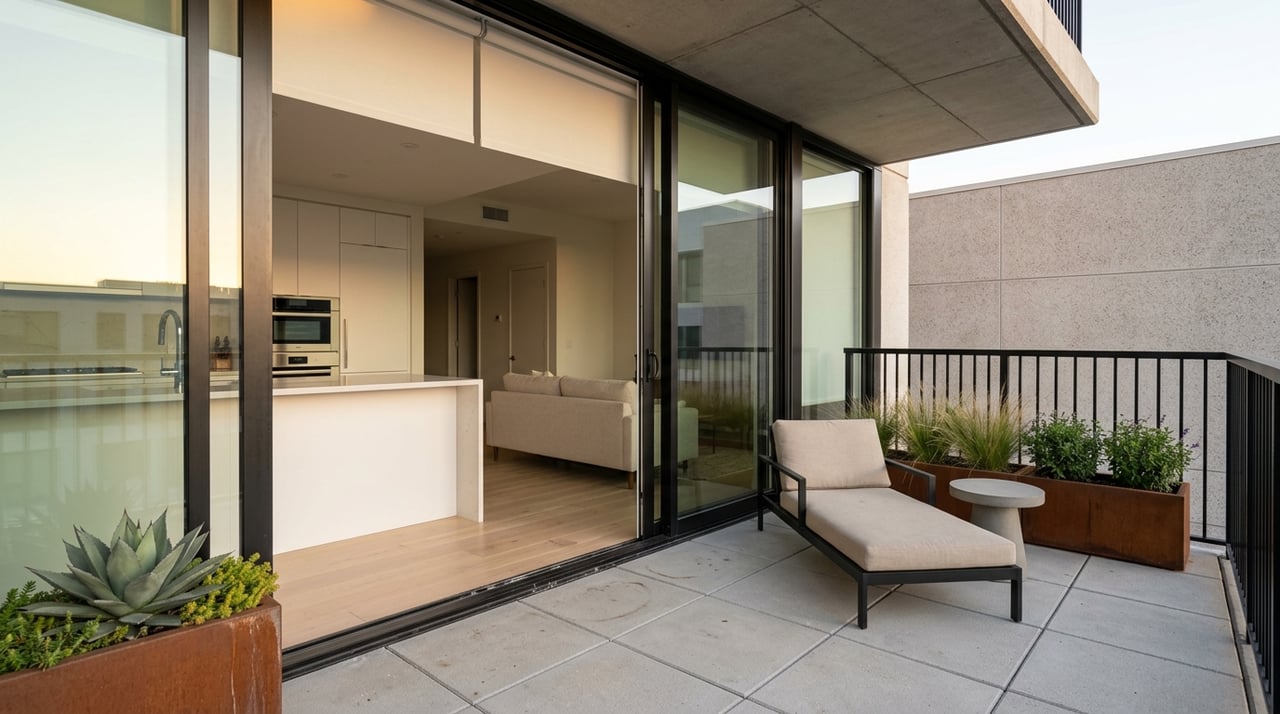
Buying a Condo in Downtown Austin: What to Know First
May 14, 2026
May 14, 2026
Thinking about buying a condo in Downtown Austin? It can be an exciting way to own a home near restaurants, offices, entertainment, and city energy, but condos come with a few extra layers that buyers should not ignore. If you want to make a smart move, you need to look beyond the unit itself and understand the building, the HOA, the financing, and the documents that shape your ownership. Let’s walk through the process step by step so you know what to look for and what questions to ask.
Before you tour buildings, set a monthly budget that includes more than your mortgage. Condo ownership usually comes with HOA dues, and those fees are often paid separately from your mortgage payment. Depending on the building, those dues can range from a few hundred dollars per month to more than $1,000.
That matters in Downtown Austin, where amenities, shared spaces, and parking structures can add to the monthly cost of ownership. If you only budget for principal, interest, taxes, and insurance, you may end up looking at buildings that do not truly fit your numbers. Building HOA dues into your pre-approval plan helps you shop with more confidence.
Condo financing is not just about you as the borrower. It is also about the building itself. One Downtown Austin condo project may be easy to finance, while another may be harder because of its insurance, maintenance condition, ownership structure, or legal issues.
Lenders review condo projects during underwriting, and project eligibility can affect your loan options. If you are hoping to use lower-down-payment financing, ask your lender early whether the building appears friendly to conventional or FHA financing. That simple step can save you time and keep you from falling in love with a unit in a building that creates loan problems.
A condo building can raise red flags for financing if it has deferred maintenance, inadequate insurance, significant pending litigation, or operations that function more like a hotel. Buildings with daily or short-term rental patterns may also face financing challenges. In a downtown market, where some buyers are drawn to flexible use, this is especially important to verify upfront.
This is one reason condo shopping should be building-first, not just unit-first. A beautiful unit does not help much if the project creates financing delays or limits your buyer pool when it is time to sell.
When you buy a condo, you are buying the unit and a shared financial structure. That means the building’s budget, reserves, insurance, and repair history matter almost as much as the floor plan and view. In Downtown Austin, where buildings can vary widely in age, amenities, and management style, this comparison becomes even more important.
As you narrow your options, look at each building as its own package. Ask how the building handles maintenance, what the monthly dues cover, and whether there have been recent or planned large projects. Shared expenses can affect every owner, especially if major repairs lead to special assessments.
Use this checklist as you evaluate Downtown Austin condo projects:
A side-by-side comparison often gives you a much clearer picture than listing photos alone.
In Texas, condo resales use a dedicated contract form. That matters because condo ownership includes legal and financial details that go beyond a standard resale home purchase. The contract framework is designed to address the declaration, bylaws, association rules, and other condo-specific rights.
The details in these documents can affect how you use the property and what exactly comes with the unit. For example, parking and limited common elements may be assigned in ways that are not obvious from the listing. This is why careful contract and document review is a key part of buying a Downtown Austin condo.
Once you are under contract, request the condo documents immediately. Under Texas Property Code Chapter 82, the seller must deliver the declaration, bylaws, association rules, and a current resale certificate. The resale certificate cannot be older than three months when provided.
The association must supply the resale certificate within 10 days after a written request. This timing matters because your review window and cancellation rights depend on when those documents are delivered. Staying organized here can protect your timeline and your options.
The resale certificate is one of the most valuable documents in the transaction. Texas law requires it to disclose important financial details, including:
If you want a clearer picture of the building’s financial health, this is where you start. It can help you spot whether the association appears stable or whether future costs may be on the horizon.
A condo purchase should include a close look at how the building is run. In Downtown Austin, where many buyers focus on lifestyle and location, it is easy to overlook the project-level details. Those details are often what make the difference between a smooth purchase and an expensive surprise.
As you review the documents, pay special attention to reserves, upcoming projects, insurance, and any signs of deferred maintenance. If the building needs major work and does not have the funds set aside, owners may be asked to cover the difference through special assessments.
Never assume that a listing includes a certain parking setup or storage area just because it is mentioned casually in marketing remarks. The condo documents should spell out whether parking is deeded, assigned, leased, or limited to guest use. Storage rights should also be confirmed in writing.
This is especially important in Downtown Austin, where parking can carry real day-to-day value. If you need a reserved space, extra storage, or guest parking access, make sure the documents match your expectations before closing.
Amenities can be a big reason people choose downtown condo living, but they are also part of the building’s shared financial picture. Features like parking garages, pools, fitness areas, and shared structures may affect insurance needs, monthly dues, and future maintenance costs.
That does not mean amenities are a negative. It simply means they should be viewed as both a lifestyle feature and a budget item. A building with more amenities may offer convenience, but you will want to understand the financial tradeoff.
Texas law gives buyers important protections when condo documents are not delivered before contract execution. If required condo documents or the resale certificate were missing at signing, you may have a statutory right to cancel. The cancellation period runs before the sixth day after you receive the missing documents or resale certificate, or after a waiver is executed, whichever happens first.
This is one more reason timing matters. If your closing calendar is moving quickly, document delays can create confusion unless everyone is tracking deadlines carefully. Good timeline management helps you preserve your rights and make decisions without unnecessary pressure.
If you are buying a Downtown Austin condo and hoping to use it for Airbnb or other short-term rental income, verify the rules before closing. In Austin, short-term rentals are rentals of less than 30 consecutive days, and the City requires licensing. The City also has operating rules, guest information requirements, and local contact requirements.
For multi-family residential sites, an individual may operate the greater of one unit or 10% of the units. STR licenses are valid for two years, and the City will begin requesting removal of unlicensed listings from platforms on July 1, 2026. Platform regulations also take effect on that date.
City rules are only part of the picture. The condo association may have its own rental restrictions, and those rules can be stricter than City requirements. You should confirm both the local licensing rules and the building’s governing documents before you assume short-term rental use is allowed.
There is also a financing angle here. Projects that operate like hotels or manage daily or short-term rentals can face financing eligibility issues. Even if rental income sounds appealing, you will want to think about how those policies could affect financing and resale down the road.
If you want a practical roadmap, here is a smart order of operations for buying a condo in Downtown Austin:
This step-by-step approach can help you make a more informed decision and avoid common condo-buying mistakes.
Buying a condo downtown is not just about finding a great unit. It is about understanding the whole picture, from financing and HOA review to parking rights and city rules. In a market like Downtown Austin, where buildings can differ so much from one another, local guidance can help you stay organized and focused on the right fit.
If you want hands-on help comparing buildings, reviewing condo details, and keeping your timeline on track, working with someone who knows the Austin market can make the process feel much more manageable. When you are ready to take the next step, Lauren McCalla can help you navigate your Downtown Austin condo search with clear communication and local insight.
Stay up to date on the latest real estate trends.



Experience a thoughtful, guided approach designed to make your real estate process smooth and successful.