How To Prepare a Travis Heights Home for a Successful Sale
May 7, 2026
May 7, 2026
Selling a home in Travis Heights is a little different from selling in a newer, more standardized neighborhood. Buyers here are often drawn to original details, mature trees, front porches, and the lived-in charm that makes this part of South Austin feel distinct. If you want to prepare your home for a strong sale, the goal is usually not to erase its character. It is to highlight it, cleanly and confidently. Let’s dive in.
Travis Heights is known for its architectural variety and long development history. The Travis Heights-Fairview Park historic district notes that the neighborhood grew over roughly 100 years, with homes ranging from late-1880s Victorians to 1970s Mid-Century Modern properties. The district was added to the National Register on July 30, 2021.
That matters when you get ready to sell. In this neighborhood, buyers may respond more to authenticity, setting, and preserved details than to a fully generic remodel. A polished home still matters, but the most effective prep usually respects the home’s original style instead of covering it up.
Presentation matters even more when buyers have options. Public market data for ZIP code 78704, which includes Travis Heights, showed a median sale price of about $797,500 in March 2026, with homes selling in a median 117 days and about 1 offer on average.
In a market that is not especially competitive, your home needs to make a strong impression from day one. That usually means smart preparation, thoughtful pricing, and visuals that help buyers understand what makes your property stand out.
Before you replace windows, alter a porch, change siding, install hardscape, or tackle other exterior projects, verify your property’s status with the City of Austin. The City of Austin Historic Preservation Office says owners should use the Historic Property Viewer to determine whether a property is a historic landmark, in a locally designated historic district, or in a National Register district.
If a property is a historic landmark or a contributing property in a historic district or National Register district, the city says a historic review application is required for exterior alterations, additions, permanent site work, signs, and stand-alone new construction. The City also says National Register districts and historic landmarks should use the Historic Design Standards when planning projects.
This is why it is so important not to assume that a quick exterior update is simple. Even smaller projects can require review depending on the property and the scope of work. Checking first can save you time, stress, and expensive course corrections later.
Trees are a major part of Travis Heights appeal, but Austin also regulates tree work. According to the City Arborist, protected trees are 19 inches diameter at breast height and larger, and heritage trees are 24 inches diameter at breast height and larger for certain species. Permits are required to remove or impact regulated trees on residential property.
For most sellers, that means curb appeal should focus on cleanup and plant health rather than aggressive removal or major grading. Trim plantings neatly, clear overgrowth from pathways, refresh mulch, and make the lot look maintained. Those changes can improve first impressions without creating permit issues.
In Travis Heights, the highest-value prep is often selective and cosmetic rather than a full-scale renovation. That approach fits both the neighborhood’s preservation context and current buyer behavior.
The most practical updates are usually the ones buyers notice right away:
These changes help your home feel cared for without pushing it into over-renovation. In many cases, they also support better photos and showings.
One of the biggest mistakes sellers can make in Travis Heights is stripping away the details that make the home memorable. Original floors, trim, doors, built-ins, and porch details can all help tell the story of the property.
If those features are in good condition, make them visible. Clean them, repair them if needed, and avoid distracting finishes that compete with them. Buyers looking in Travis Heights are often comparing homes with very different styles, and authentic details can help yours stand apart.
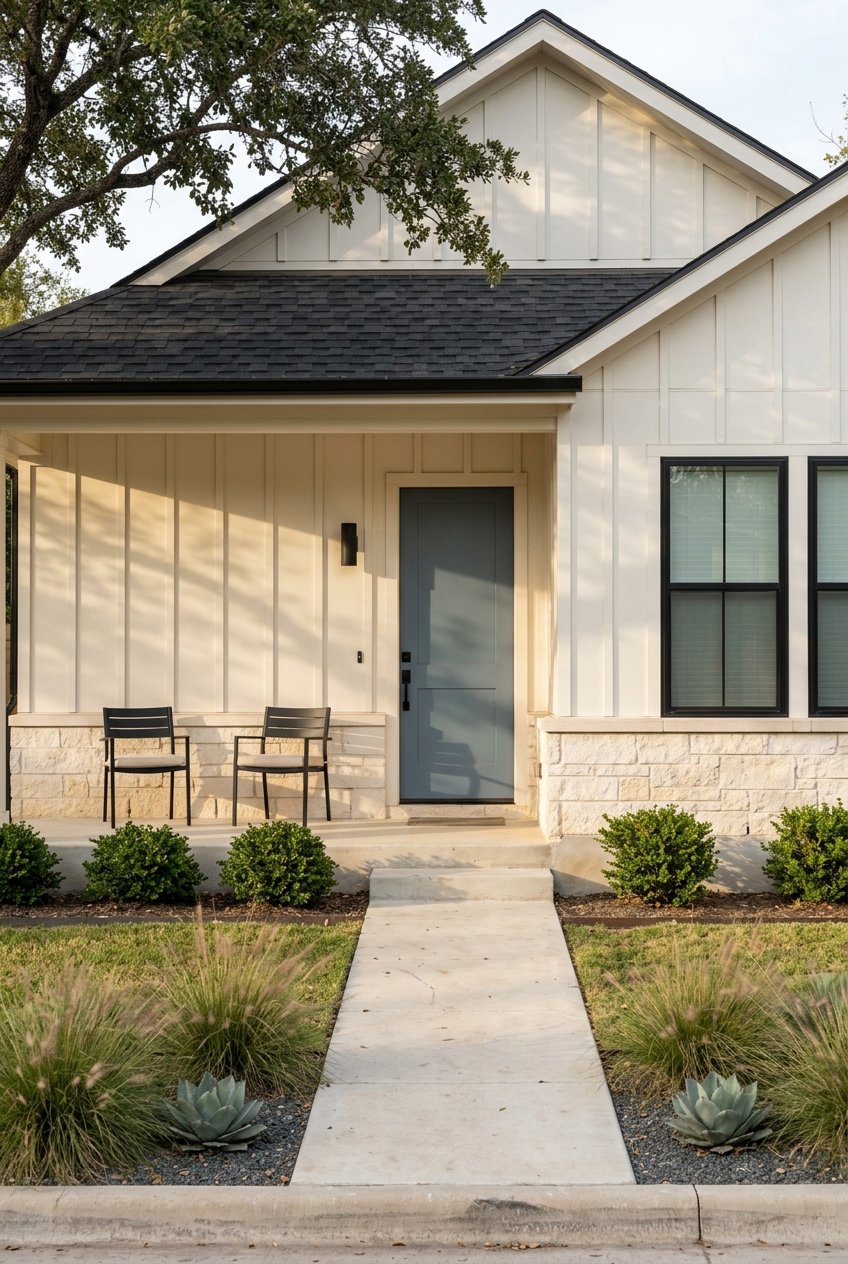
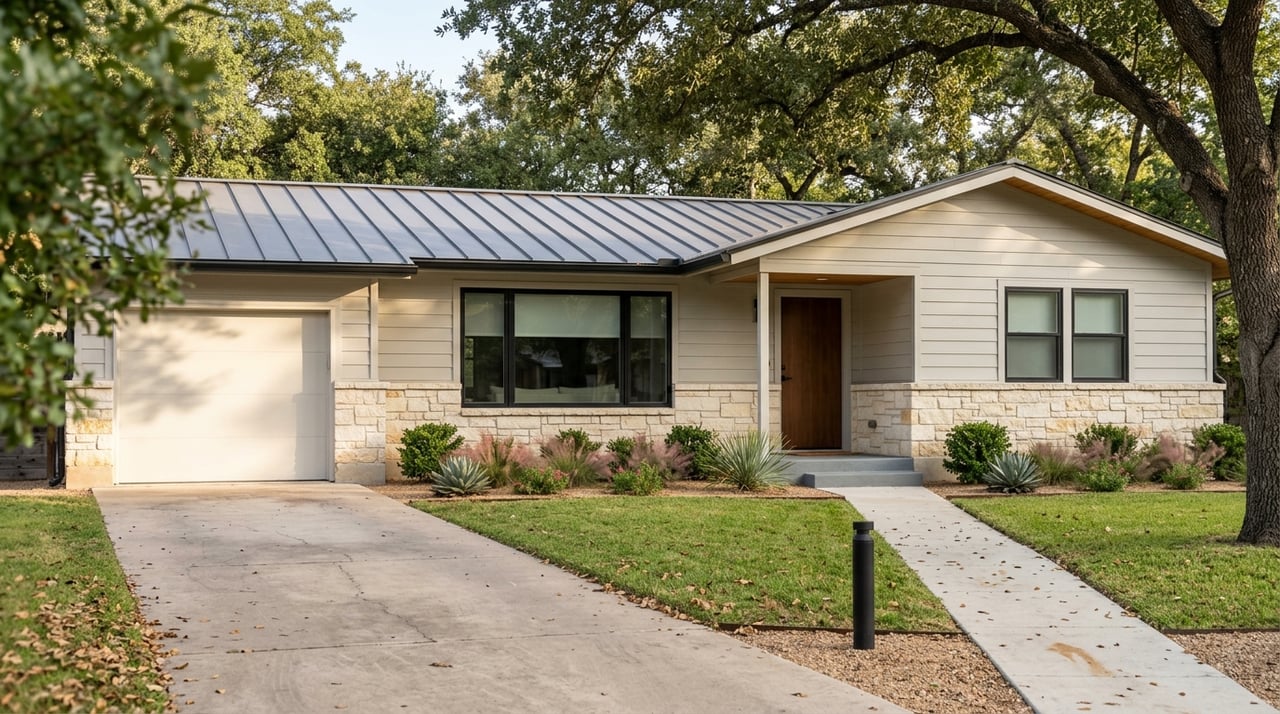
Your exterior sets the tone before a buyer ever walks inside. In a neighborhood where character and setting matter, small improvements can go a long way.
Prioritize simple, high-impact tasks like:
These updates help the home feel welcoming while staying true to its style. In Travis Heights, curb appeal is often about care and consistency, not a dramatic makeover.
It can be tempting to pour money into a major kitchen or bathroom remodel before listing. But in 78704, where homes were taking a median 117 days to sell, polished presentation may matter more than expensive customization.
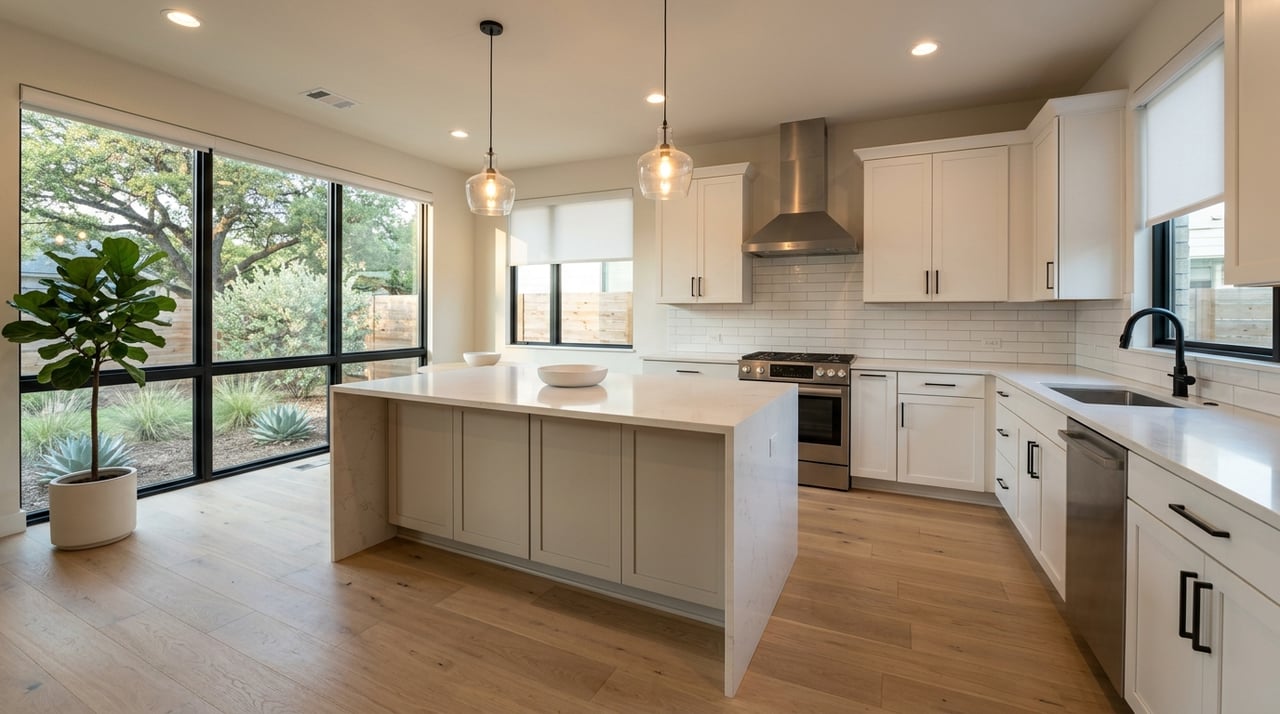
Unless a kitchen or bath is clearly hurting value because of condition or function, a lighter refresh is often the better move. Paint, lighting, hardware, clean surfaces, and repaired finishes can make these spaces feel more appealing without the cost and disruption of a full renovation.
Staging can help buyers picture themselves in the home. The National Association of Realtors’ 2025 staging survey found that 83% of buyers’ agents said staging made it easier for buyers to visualize a property.
That same research found the most commonly staged rooms were the living room, primary bedroom, and dining room. A separate 2025 staging report also identified the living room, primary bedroom, and kitchen as the most important rooms to stage, with a median staging service cost of $1,500.
If you are choosing where to spend your budget, start there. In many Travis Heights homes, those spaces do the most work in showing off the home’s layout, character, and livability.
Photos often shape whether a buyer decides to schedule a showing. NAR’s 2025 staging report found that 73% of buyers’ agents considered photos much or more important, followed by physical staging at 57%, videos at 48%, and virtual tours at 43%.
That means your home should be camera-ready before it hits the market. Open blinds, remove floor clutter, hide pet items, clear counters, and simplify decor so the architecture can stand out.
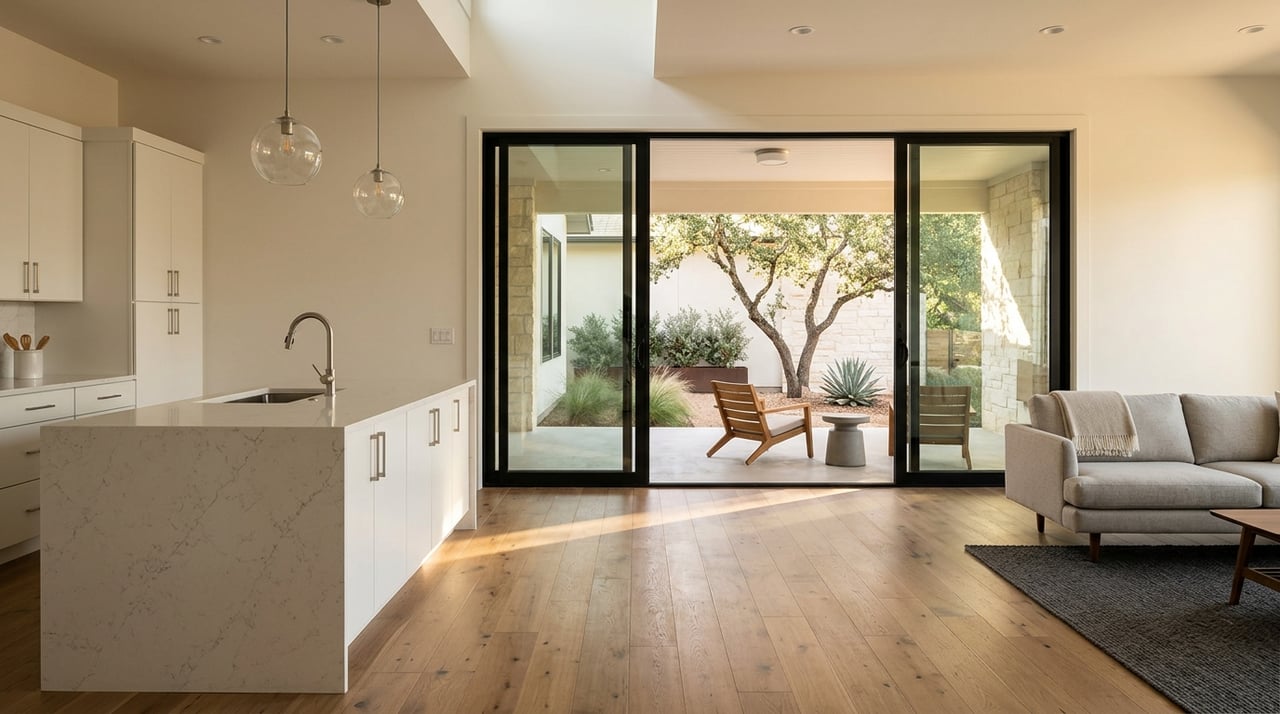
For Travis Heights, photo planning should highlight the features that make the home feel special. That may include porch depth, original millwork, windows, ceiling height, tree cover, patios, or a strong indoor-outdoor connection. Professional photos, and in some cases video or a virtual tour, can be especially helpful when the charm of the property is tied to layout or outdoor setting.
If you want to keep your planning organized, use this order of operations:
This kind of timeline helps you focus on the updates most likely to improve how buyers experience the home.
Selling a Travis Heights home is not just about checking generic listing boxes. It takes a neighborhood-aware strategy that respects historic context, understands Austin rules, and knows how to market a home’s specific style.
That is especially true in an area where buyers may be comparing bungalows, cottages, mid-century homes, and updated properties all within the same search. The right prep plan helps your home feel intentional, market-ready, and true to what makes Travis Heights special.
If you are thinking about selling, a smart first step is to build a prep plan around your home’s actual condition, features, and timeline. For personalized guidance and a practical listing strategy in Austin, connect with Lauren McCalla.
Stay up to date on the latest real estate trends.
Experience a thoughtful, guided approach designed to make your real estate process smooth and successful.